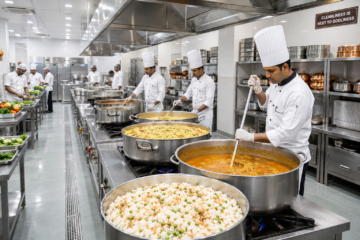

Think about the last wedding, birthday, or corporate launch you attended. Someone arranged the tent, the lights, the catering, and the seating.
That someone runs an event management business. And right now, that business is one of the easier service businesses to start in India – even with zero prior experience.
You don’t need a degree in event management. You need a plan, a list of reliable vendors, and the willingness to take your first booking.
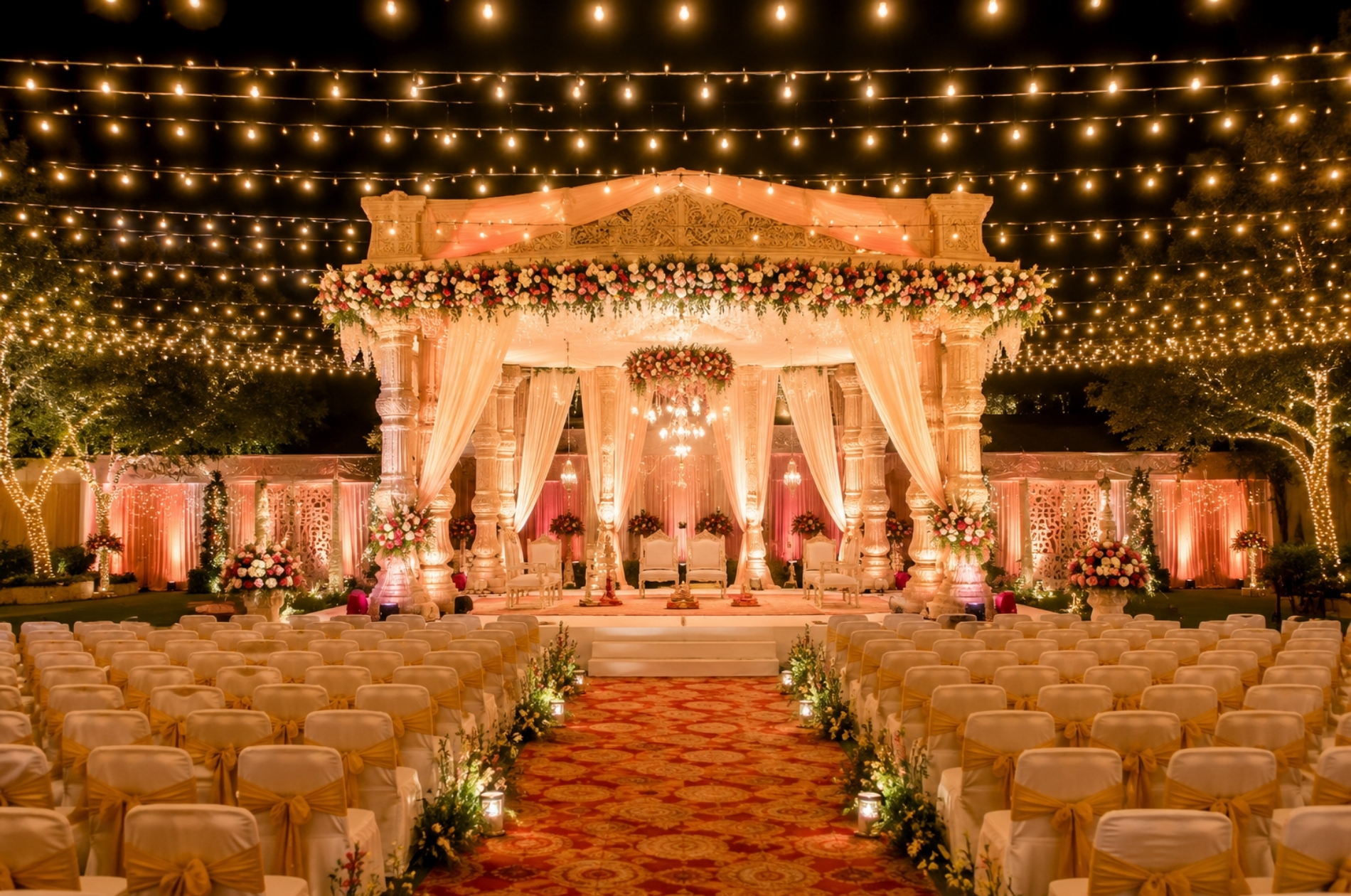
Is This a Good Time to Start?
Yes. India’s event industry is large and still expanding into smaller cities, not just metros.
According to IBEF, India’s event management industry directly employs over 10 million people and indirectly supports around 50 million more.
That scale means there’s room for small, local players – not just big agencies in Delhi or Mumbai.
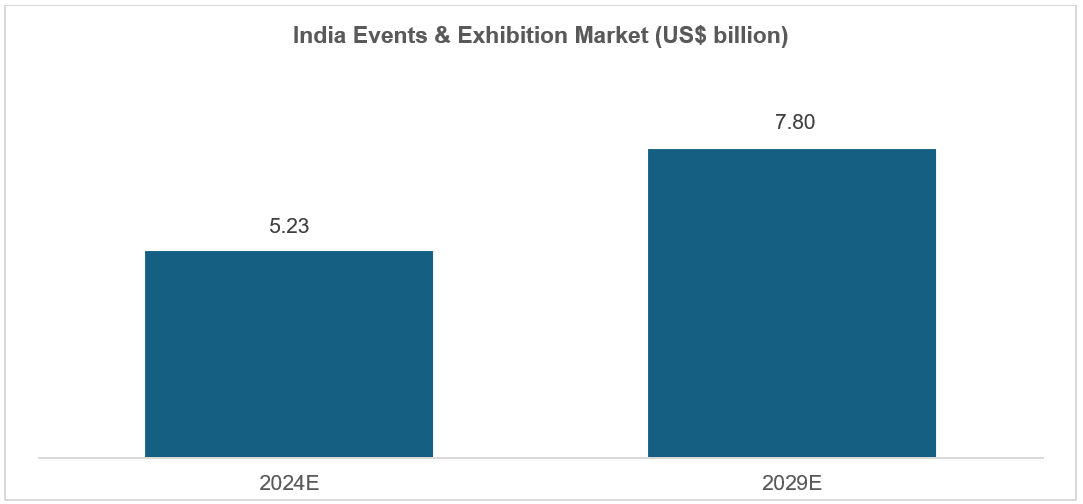
Source: https://www.ibef.org/blogs/understanding-the-surge-in-demand-for-event-management-in-india
What Does an Event Management Business Actually Do?
In simple terms, you plan, coordinate, and execute events on behalf of a client.
This includes:
- Weddings – the largest segment in India by far
- Birthdays and personal celebrations
- Corporate events – product launches, conferences, team offsites
- Religious and community functions
You don’t have to do all of this yourself. Most of your job is coordinating vendors – tent, catering, decor, lighting, sound, photography – so the client deals with one person instead of ten.
Step 1: Pick a Starting Niche
Trying to serve “all events” on day one spreads you too thin.
Pick one category to begin with:
- Small/intimate events (birthdays, kitty parties, baby showers)
- Wedding-adjacent services (mehendi, sangeet, reception decor)
- Corporate events (easier to scale once you have 2-3 clients)
A focused niche makes referrals easier. People remember “the person who does great birthday setups,” not “yet another generic event company.”
Step 2: Get Real Experience Before You Launch
“No experience” doesn’t have to last long. You can fix this in a few weeks:
- Offer to help plan a friend or relative’s event for free or at cost
- Spend a day assisting a local tent house, caterer, or decorator on event day
- Shadow an existing event manager during setup and breakdown
This does two things at once: it teaches you the actual workflow, and it gets you your first vendor contacts. If you’d rather build the equipment side of the events business instead of full-service management, our guide on how to start a tent house business covers that related path in detail.
Step 3: Register Your Business Properly
You don’t need a private limited company to start. Most first-time event managers begin as a sole proprietorship and upgrade later.
At minimum, sort out:
- Business name and a simple service agreement template for clients
- Udyam (MSME) Registration – this is free, fully online, and self-declared. It also helps later if you want a business loan. Register directly on the official Udyam Registration Portal, run by the Ministry of MSME.
- GST Registration – needed once your turnover crosses the threshold, or if corporate clients ask for a GST invoice (most will). You can check eligibility and apply through the official GST registration services portal.
- A separate current bank account for the business, even as a proprietor.
Skip the temptation to hire a consultant for this – both portals above are designed for self-filing.
For the full paperwork checklist including identity documents, business registration proofs, and GST requirements, see our documents required to start an event management business in India.
Step 4: Build a Vendor Network (You Don’t Need to Own Anything)
This is the real backbone of an event management business. You’re the coordinator, not necessarily the equipment owner.
Build relationships in each category:
- Tents and shamiana – structure, seating, lighting
- Catering – at least two options at different price points
- Cooling and heating – critical for outdoor events in Indian summers and winters
- Sound and photography/videography
- Add-on counters – coffee, popcorn, or candy stations are easy upsells clients love
For a full breakdown of what a well-run event actually needs on the equipment side, our tent house items checklist is a useful reference even if you never plan to own the gear yourself.
For outdoor summer events, mist fans are the standard choice for open tent areas, while air coolers work better for enclosed spaces. Both are commonly rented from tent house suppliers.
Keep 2-3 backup vendors per category. One no-show on event day shouldn’t sink the whole booking.
Step 5: Price Your Services
Three common models in India:
- Package pricing – decor + catering + coordination bundled into one fee
- Flat coordination fee – client pays vendors directly, you charge for planning/management
- Markup on vendor cost – typically 15-20% added on top of what vendors charge you
Start with smaller, lower-budget events to build a portfolio. Raise your rates once you have real photos and testimonials to show.
Step 6: Get Your First Clients With No Portfolio
Everyone starts with zero past work. Here’s how to get past that:
- Run one event (even a family member’s) purely to generate photos and a testimonial
- Partner with photographers, decorators, and banquet halls for referral swaps
- Join local wedding-planning Facebook and WhatsApp groups in your city
- Set up a Google Business Profile so people searching “event planner near me” can find you
- Ask every single client for a review and a couple of usable photos afterward
Mistakes to Avoid in Your First Year
- No written contract – verbal confirmations fall apart fast in this industry
- No advance payment before booking vendors on the client’s behalf
- No backup plan for weather, power cuts, or a vendor cancelling last minute
- Underpricing to win clients – it attracts the most demanding customers for the least margin
- Overbooking before you have the team to handle multiple events on one date
Quick FAQs
There’s no single national license for the service itself. You’ll need standard registrations like Udyam and GST (where applicable), plus any venue- or city-specific permissions for larger public events.
Many people start with ₹50,000–₹1,50,000 in working capital, mostly used to pay vendor advances before the client payment comes in.
Yes. Most event managers in India start by managing 1-2 events a month alongside another job, then go full-time once bookings are steady.
Where Equipment Fits Into the Picture
Whether you build a full-service event company or focus on supplying the equipment side, the small details – proper cooling, heating, and refreshment counters – are what clients remember and rebook for.
Maini’s Signet has supplied event equipment – mist fans, air coolers, Farrata fans, heaters, coffee machines, and popcorn/candy machines – to event companies and tent house operators across India since 1961. Browse the full equipment range or call/WhatsApp +91-9811150123 to ask what’s right for your event setups.